Viburnum is a diverse and versatile genus of shrubs that offers a wide array of attractive features, from beautiful flowers and vibrant berries to stunning foliage and appealing fragrance. With over 150 species to choose from, Viburnum plants are cherished by garden enthusiasts for their adaptability, resilience, and ornamental value. In this article, we will explore the captivating characteristics and cultivation tips for these remarkable shrubs.
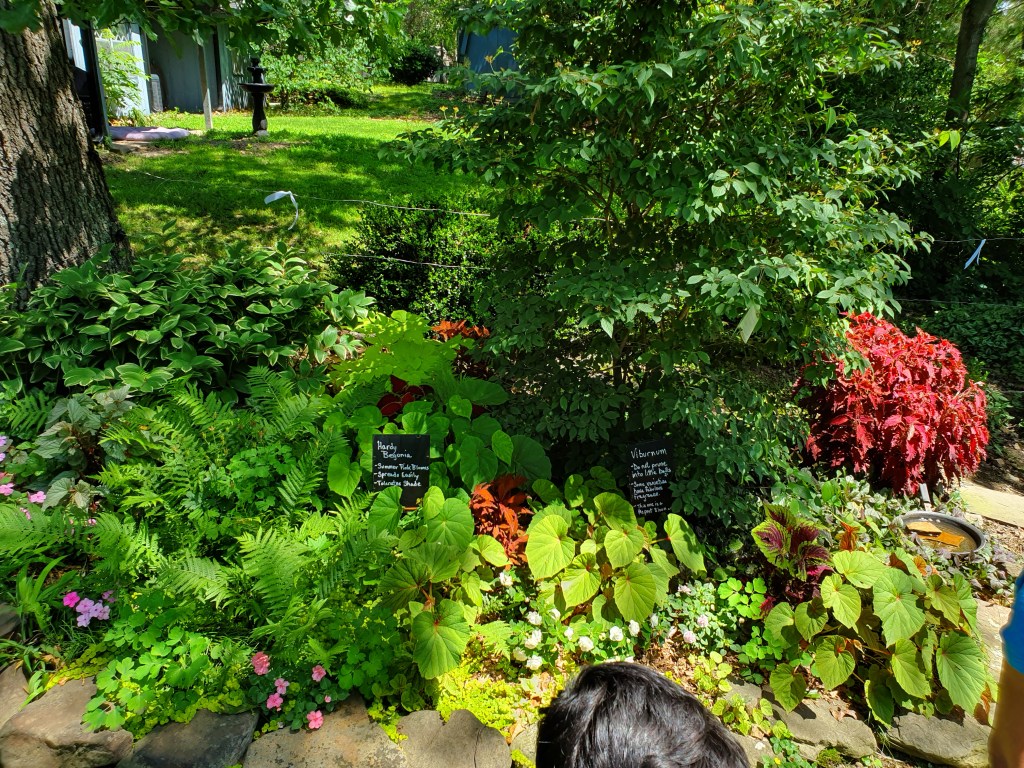
Appearance and Characteristics
Viburnum shrubs exhibit a range of appearances, but they commonly feature glossy, deciduous or evergreen leaves that come in various shapes and textures. The flowers of Viburnum are often fragrant and can be either flat or rounded clusters, depending on the species. They come in an assortment of colors, including white, pink, and shades of cream. Following the blooms, Viburnum showcases attractive berries that transition from green to red, blue, or black, offering visual interest and providing a food source for birds. Depending on the species, Viburnum can range in height from compact shrubs to tall, arching plants.
Cultivation and Care
Viburnum thrives in a diverse range of growing conditions, making them suitable for many garden settings. Most Viburnum species prefer full sun to partial shade and well-drained soil. However, certain varieties can tolerate more shade or moisture, so it’s important to select the appropriate species for your specific garden conditions. Regular watering is essential during the establishment period, but once established, Viburnum tends to be moderately drought-tolerant.
Pruning is generally not necessary for Viburnum, but if required, it is best done immediately after flowering to avoid removing potential blooms. Mulching around the base of the plant helps retain soil moisture and suppress weed growth.
Propagation of Viburnum can be done through seeds, cuttings, or layering. Seeds require stratification before sowing, and cuttings should be taken in early summer or late autumn. Layering involves bending a flexible stem to the ground and burying a section of it, allowing it to form roots.
Benefits and Uses
Viburnum shrubs offer numerous benefits and practical uses in the garden. Their attractive flowers and berries serve as a valuable food source for pollinators and birds, contributing to biodiversity. Viburnum also provides shelter and nesting sites for wildlife. Some species, such as Viburnum opulus, have medicinal properties and are used in traditional herbal remedies.
These versatile shrubs can be utilized in various garden settings, including hedges, borders, or as standalone specimens. Viburnum’s dense growth habit and arching branches provide privacy, while their ornamental characteristics add visual interest throughout the seasons. Additionally, the vibrant fall foliage of certain Viburnum species, such as Viburnum dentatum, adds a splash of color to autumn landscapes.
Conclusion
Viburnum, with its diverse range of species and stunning ornamental features, is an excellent choice for any garden. From fragrant flowers to colorful berries and attractive foliage, these versatile shrubs offer year-round beauty and contribute to the overall health and vitality of the garden ecosystem. Embrace the charm of Viburnum and enhance your garden with their captivating presence.

 Nature, Science, Art, Music et al
Leave a reply to Wanette Cancel reply