When it comes to adding a pop of color and charm to garden beds, containers, or hanging baskets, the wax begonia (Begonia semperflorens) is a popular choice among gardeners. Known for its vibrant blooms and glossy foliage, this versatile and low-maintenance plant is a favorite for both beginner and experienced garden enthusiasts. In this article, we will explore the captivating qualities of the wax begonia and why it is a beloved garden favorite.
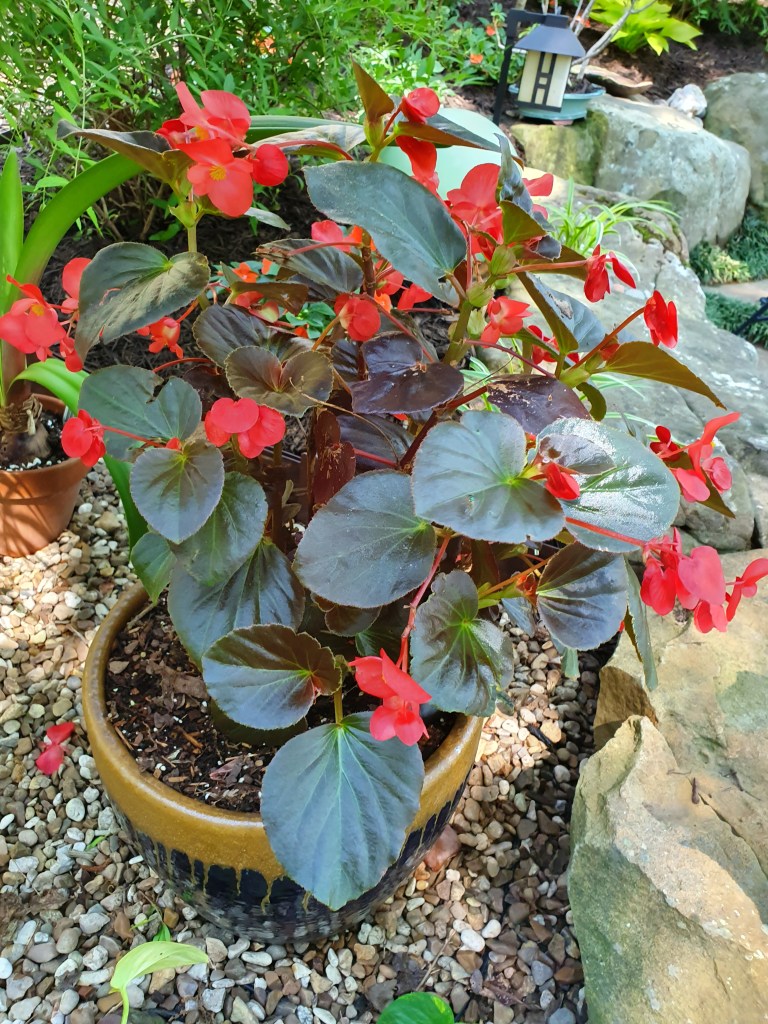
The wax begonia is a hybrid plant that belongs to the Begoniaceae family. Native to tropical regions, it is known for its waxy leaves and an abundance of flowers that come in a range of colors, including shades of red, pink, white, and even bicolor combinations. The flowers are typically small and bell-shaped, and they bloom profusely throughout the growing season, adding a burst of color to any garden landscape.
One of the standout features of the wax begonia is its adaptability to a variety of growing conditions. It thrives in partial shade to full shade, making it an excellent choice for areas of the garden that receive limited direct sunlight. However, it can also tolerate some morning sun or filtered light. This adaptability makes it a versatile option for various garden settings, including shaded beds, borders, containers, and hanging baskets.
In addition to its ability to grow in different light conditions, the wax begonia is also known for its tolerance to heat and humidity. It can withstand hot summer temperatures, making it a reliable choice for gardens in warm climates. Its ability to retain moisture in its leaves and soil also contributes to its resilience during dry periods, although it’s important to provide regular watering to keep the soil slightly moist.
Another appealing aspect of the wax begonia is its compact and mounding growth habit. It typically reaches a height of about 6 to 12 inches (15 to 30 cm) and spreads to form a dense clump. This makes it an ideal choice for edging garden beds or creating borders, as well as for filling in gaps and adding color to mixed container plantings. The foliage is also attractive, with its glossy, deep green or bronze leaves providing a beautiful backdrop to the colorful flowers.
Caring for wax begonias is relatively easy. They prefer well-drained soil that is rich in organic matter. Regular watering is important to keep the soil consistently moist but not waterlogged. It’s best to water at the base of the plant to avoid wetting the leaves, as this can lead to disease. Applying a layer of mulch around the plants can help conserve moisture and suppress weed growth.
Deadheading spent flowers is recommended to promote continuous blooming and prevent the plant from diverting energy into seed production. Simply pinch or cut off the faded flowers just above a leaf node or set of leaves. This practice encourages the development of new buds and extends the blooming period.
In conclusion, the wax begonia is a versatile and colorful plant that adds a touch of vibrancy and beauty to any garden. With its abundant blooms, glossy foliage, and adaptability to various growing conditions, it is a favorite among gardeners looking to create eye-catching displays. Its low-maintenance nature and ability to thrive in shaded areas make it a reliable choice for gardens of all sizes and styles.
 Nature, Science, Art, Music et al
Leave a comment