When it comes to vibrant and eye-catching flowers, the violet pentas (Pentas lanceolata) is a true standout. With its clusters of small, star-shaped blooms in varying shades of violet, this tropical perennial is a favorite among gardeners and flower enthusiasts. In this article, we will explore the captivating qualities of the violet pentas and why it is a delightful addition to any garden.
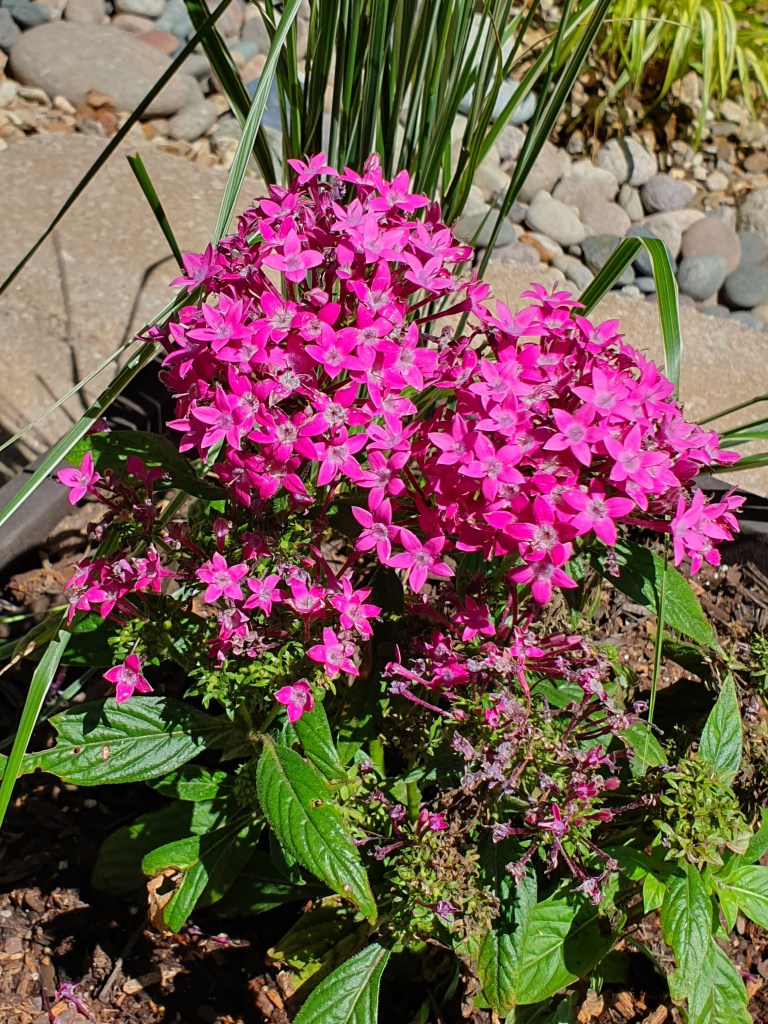
The violet pentas, also known as Egyptian star clusters or Egyptian star flowers, are native to Africa and belong to the Rubiaceae family. They are known for their profusion of flowers that form dense clusters atop sturdy stems. The blooms come in various shades of violet, ranging from deep purples to lighter lavender hues. This range of colors adds depth and visual interest to the garden, creating a vibrant and lively display.
One of the standout features of the violet pentas is its ability to attract pollinators. Bees, butterflies, and hummingbirds are drawn to the nectar-rich flowers, making the violet pentas a valuable addition to any pollinator-friendly garden. These winged visitors not only add movement and life to the garden but also play a crucial role in pollination and supporting the ecosystem.
Another appealing aspect of the violet pentas is its long blooming period. The flowers appear from spring through fall, providing a continuous show of color throughout the warm months. This extended bloom time makes the violet pentas an excellent choice for adding color and interest to borders, beds, and containers, ensuring a vibrant and inviting garden throughout the growing season.
Cultivating violet pentas is relatively easy and rewarding. They prefer full sun to partial shade and well-drained soil. Although they can tolerate a range of soil types, they thrive in fertile soil that is rich in organic matter. Regular watering is necessary, especially during hot and dry periods, as they prefer slightly moist soil. However, it’s crucial to avoid overwatering, as this can lead to root rot. Applying a layer of mulch around the base of the plants can help retain moisture and suppress weed growth.
To encourage continuous blooming and maintain a compact shape, deadheading spent flowers is recommended. This involves removing faded blooms by pinching or cutting them off just above a set of leaves or a leaf node. This practice redirects the plant’s energy towards producing new flowers, resulting in a prolonged blooming period and a neater appearance.
Violet pentas can also benefit from occasional fertilization to promote healthy growth and abundant flowering. A balanced, water-soluble fertilizer can be applied every four to six weeks during the growing season, following the manufacturer’s instructions.
In conclusion, the violet pentas is a captivating and colorful perennial that adds a touch of vibrancy and beauty to any garden. With its clusters of star-shaped blooms in varying shades of violet, it creates a striking display of color and attracts pollinators, contributing to the overall health and balance of the garden ecosystem. Its long blooming period, ease of cultivation, and ability to thrive in a variety of growing conditions make it a popular choice among gardeners. So, whether you’re looking to create a vibrant border, add color to containers, or attract pollinators, the violet pentas is a delightful choice that will surely bring joy and delight to your garden.
 Nature, Science, Art, Music et al
Leave a comment