Verbena is a vibrant and versatile flowering plant that has become a staple in many gardens and landscapes. With its stunning array of colors, long blooming period, and easy-care nature, it is no wonder why verbena is a favorite among garden enthusiasts. In this article, we will explore the characteristics, cultivation tips, and various uses of this beautiful plant.
Characteristics of Verbena
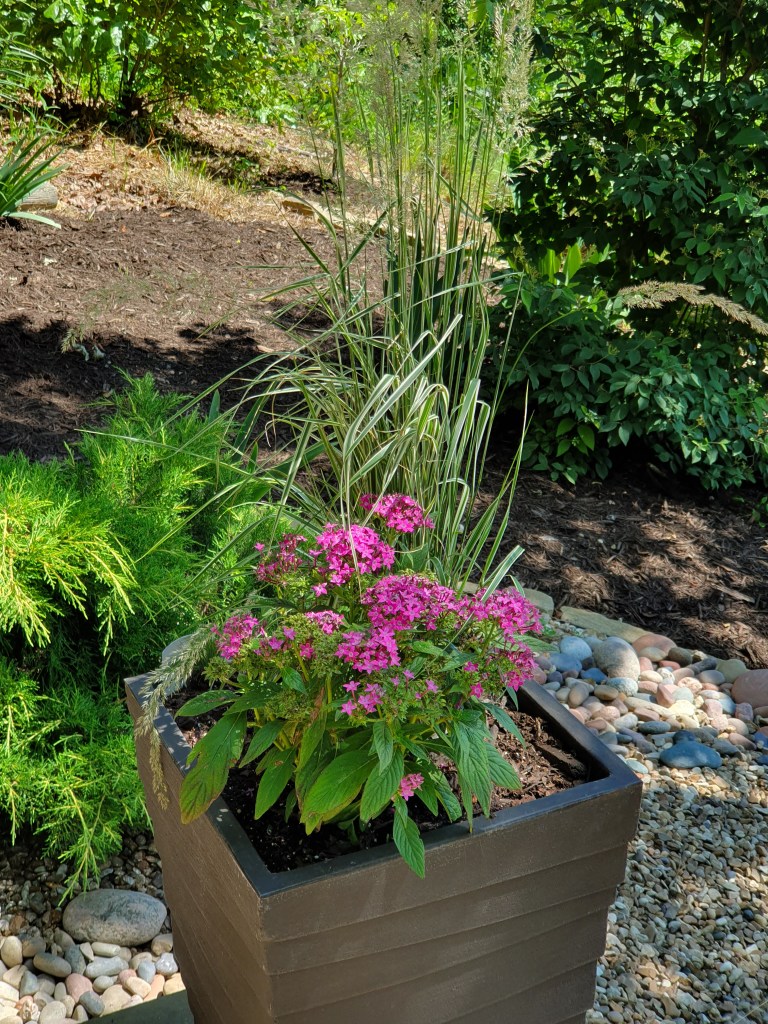
Verbena, scientifically known as Verbena officinalis, belongs to the Verbenaceae family. It is a herbaceous perennial that is often grown as an annual in colder climates. Verbena plants feature clusters of small, tubular flowers that form dense, rounded clusters atop slender stems. The flowers come in a wide range of colors, including shades of purple, pink, red, blue, and white. The foliage is typically dark green and may have a slightly serrated edge.
Cultivation Tips:
Verbena is relatively easy to grow and care for, making it suitable for gardeners of all levels of experience. It thrives in full sun, but can also tolerate partial shade, especially in hotter climates. Well-draining soil is essential to prevent waterlogged conditions, which can lead to root rot. If your soil tends to retain moisture, amend it with organic matter or perlite to improve drainage.
When it comes to planting verbena, you can either start from seeds or purchase young plants from a nursery. Seeds can be sown indoors 8 to 10 weeks before the last frost date or directly in the garden after the danger of frost has passed. Transplant young seedlings or nursery plants into the garden, spacing them 8 to 12 inches apart to allow for proper air circulation.
Water newly planted verbena regularly to help establish a strong root system. Once established, verbena is relatively drought-tolerant and only requires regular watering during periods of prolonged dryness. Take care not to overwater, as this can lead to root rot. Applying a layer of mulch around the base of the plants can help conserve moisture and suppress weed growth.
Maintenance:
One of the standout features of verbena is its long blooming period, which typically lasts from spring to fall. Deadheading spent flowers regularly can help promote continuous blooming and keep the plant looking tidy. To deadhead, simply remove the faded flowers by pinching or cutting them off just above a set of healthy leaves. This encourages the plant to redirect its energy into producing more flowers rather than setting seeds.
In terms of fertilization, verbena is not particularly demanding. Applying a balanced, slow-release fertilizer at the beginning of the growing season can provide the necessary nutrients for healthy growth and abundant flowering. Avoid over-fertilizing, as this can lead to excessive foliage growth at the expense of flower production.
Uses in the Landscape:
Verbena is a versatile plant that can be used in various ways to enhance your garden or landscape. Its trailing habit and colorful flowers make it an excellent choice for hanging baskets, window boxes, and containers. The cascading stems create a beautiful display of blooms that spill over the edges, adding a touch of elegance and color to any space.
In garden beds and borders, verbena works well as a ground cover or edging plant. The compact varieties form dense mounds of flowers and foliage, creating a carpet-like effect. They can be planted at the front of a border or along pathways to add pops of color and visual interest. Verbena also attracts pollinators, such as butterflies and bees, making it a valuable addition to pollinator gardens.
Furthermore, verbena mixes well with other annuals and perennials, allowing for endless possibilities in your garden designs. It pairs beautifully with plants like petunias, zinnias, salvia, and marigolds, creating stunning combinations of colors and textures. Consider planting verbena in mass plantings for a dramatic effect or intermixing it with taller plants for a layered look.
In areas with mild winters, verbena can be treated as a perennial and will return year after year. However, in colder regions, it is often grown as an annual or brought indoors during the winter months. If you choose to overwinter your verbena indoors, provide it with bright light and moderate watering until it can be safely planted back outside in the spring.
With its vibrant colors, extended blooming period, and versatility, verbena is a plant that brings joy and beauty to any garden. Its low maintenance requirements and ability to thrive in various growing conditions make it an ideal choice for both beginner and experienced gardeners. Whether you use it in containers, borders, or hanging baskets, verbena is sure to add a splash of color and charm to your outdoor space.
In conclusion, verbena is a colorful and versatile garden gem that deserves a place in your landscape. Its stunning flowers, easy cultivation, and long blooming period make it a popular choice among gardeners worldwide. By following some simple cultivation and maintenance tips, you can enjoy the beauty and benefits of verbena in your garden for years to come. So, go ahead and embrace the vibrant hues and enchanting blooms of verbena in your outdoor oasis.
 Nature, Science, Art, Music et al
Leave a comment