Indoor plants have become increasingly popular in recent years, and one that has captured the hearts of many plant enthusiasts is the rubber fig, scientifically known as Ficus elastica. With its large, glossy leaves and easy-care nature, the rubber fig has become a favorite choice for both beginner and experienced plant owners alike. In this article, we will explore the many attributes of this versatile and beautiful houseplant.
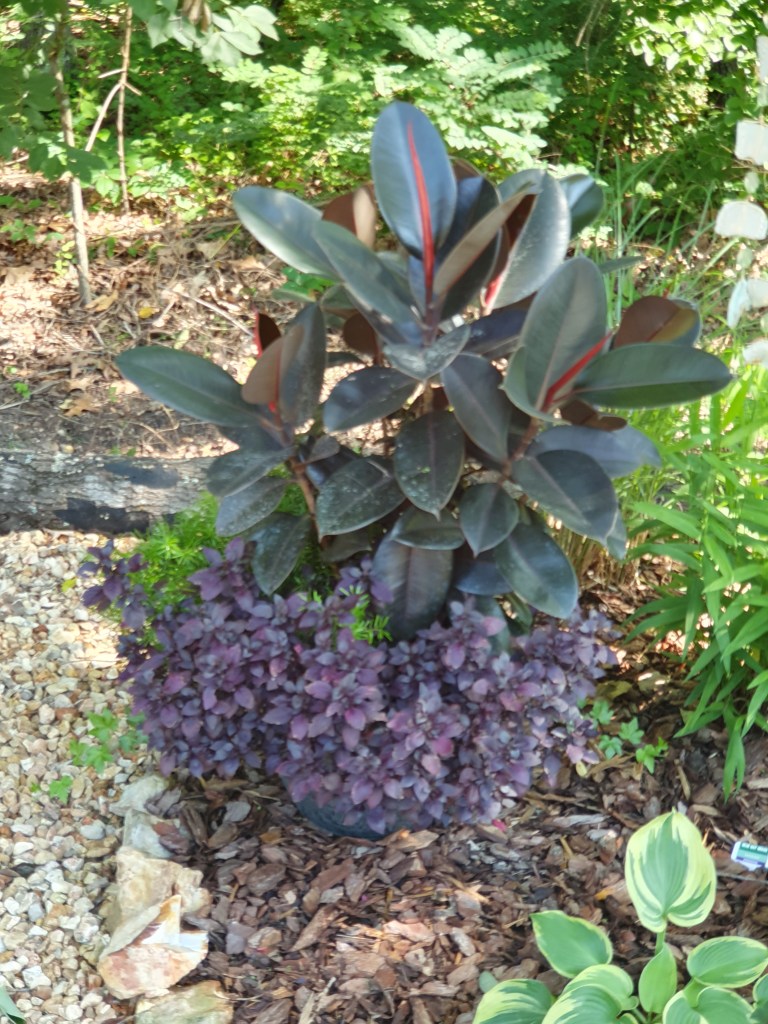
Originating from the tropical regions of Southeast Asia and India, the rubber fig belongs to the Moraceae family, which includes other popular indoor plants such as the fiddle leaf fig and the weeping fig. It is a striking plant with thick, leathery leaves that can range in color from dark green to burgundy or variegated patterns, depending on the cultivar. The leaves have a shiny surface, which adds to their visual appeal and makes them stand out among other houseplants.
One of the reasons why the rubber fig has gained widespread popularity is its adaptability to various indoor environments. It can thrive in both bright, indirect light and low-light conditions, making it suitable for different areas of the house or office. However, it’s important to note that prolonged exposure to direct sunlight can scorch the leaves, so it’s best to provide some shade during the hottest part of the day.
In addition to its tolerance for different light conditions, the rubber fig is also a forgiving plant when it comes to watering. It prefers to be kept slightly moist but can tolerate occasional periods of drought. Overwatering should be avoided, as it can lead to root rot and other issues. It’s a good practice to allow the top inch or so of soil to dry out before watering again. Regular misting of the leaves can also help create a humid environment, which the rubber fig appreciates.
Another attractive feature of the rubber fig is its ability to grow into a substantial size over time. With proper care, it can reach heights of several feet, making it an excellent choice for those looking to add some greenery and vertical interest to their living spaces. However, its growth rate can be managed by pruning and shaping, allowing it to fit into smaller areas or be trained into a specific form, such as a bush or a tree-like shape.
Aside from its aesthetic appeal, the rubber fig also offers some health benefits. Like many other houseplants, it helps purify the air by removing harmful toxins and releasing oxygen. This can contribute to a healthier indoor environment and improve air quality, especially in spaces with limited ventilation.
To sum up, the rubber fig is a versatile and beautiful houseplant that has captured the hearts of plant enthusiasts worldwide. With its glossy, eye-catching leaves and adaptability to different light conditions, it can thrive in various indoor environments. Its forgiving nature when it comes to watering and its ability to grow into a substantial size make it an excellent choice for both beginner and experienced plant owners. Furthermore, the rubber fig offers the added benefit of purifying the air, contributing to a healthier living space. So, if you’re looking to add a touch of elegance to your home or office, consider bringing a rubber fig into your indoor plant collection.
 Nature, Science, Art, Music et al
Leave a comment