When it comes to perennial flowers, few are as iconic and beloved as the Shasta daisy (Leucanthemum x superbum). Known for its classic white petals and bright yellow center, this timeless beauty has been a favorite of gardeners for generations. In this article, we will explore the charm and enduring popularity of the Shasta daisy, and why it remains a staple in gardens around the world.
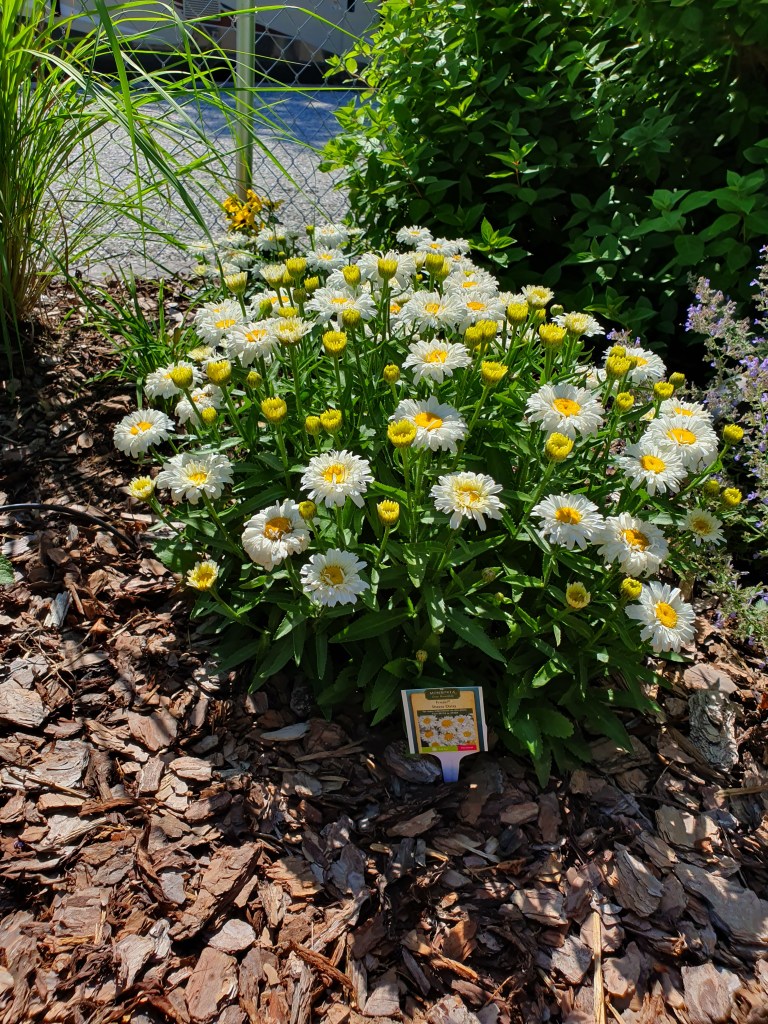
The Shasta daisy is a hybrid plant that was created by Luther Burbank, a renowned horticulturist, in the late 19th century. It is a cross between the common daisy (Leucanthemum vulgare) and various other daisy species, resulting in a larger and more robust flower. Named after Mount Shasta in California, this perennial flower quickly gained popularity for its striking appearance and ability to thrive in a variety of growing conditions.
One of the defining characteristics of the Shasta daisy is its large, daisy-like flowers. Each blossom consists of multiple layers of white petals surrounding a prominent golden-yellow center, known as the disc florets. The combination of the white petals and yellow center creates a striking contrast, making the Shasta daisy a standout in any garden or floral arrangement.
In addition to its visual appeal, the Shasta daisy is also cherished for its long blooming period. It typically starts flowering in late spring or early summer and continues to produce blooms well into the fall, providing a consistent display of beauty throughout the growing season. This extended bloom time makes it a valuable addition to garden borders, cutting gardens, or mixed perennial beds, ensuring a constant source of color and interest.
Another reason for the Shasta daisy’s enduring popularity is its versatility and ease of cultivation. It is a hardy perennial that can adapt to a wide range of soil types and growing conditions. It thrives in full sun but can tolerate some partial shade, making it suitable for various areas in the garden. As for soil, it prefers well-drained soil but can tolerate a range of moisture levels. Once established, it is relatively drought-tolerant, requiring minimal watering. With its low-maintenance nature, the Shasta daisy is an excellent choice for both beginner and experienced gardeners.
When it comes to care, the Shasta daisy benefits from regular deadheading, which involves removing spent flowers to encourage continuous blooming. This practice not only keeps the plant looking tidy but also promotes the development of new buds. Additionally, dividing the plant every few years can help rejuvenate its growth and maintain its vigor.
Beyond its beauty and ease of care, the Shasta daisy also attracts pollinators to the garden. Bees, butterflies, and other beneficial insects are drawn to its nectar-rich flowers, making it a valuable addition to any pollinator-friendly garden.
In conclusion, the Shasta daisy is a timeless perennial that continues to capture the hearts of gardeners and flower enthusiasts around the world. With its classic white petals and golden center, it adds a touch of elegance and charm to any garden or floral arrangement. Its long blooming period, adaptability, and low-maintenance nature make it an ideal choice for both novice and experienced gardeners.
 Nature, Science, Art, Music et al
Leave a comment