Plantain lilies, scientifically known as Hosta, are a versatile and beloved group of perennial plants that are cherished by gardeners worldwide. Recognized for their elegant foliage, stunning flowers, and adaptability to shade, these plants have become a staple in shade gardens. In this article, we will delve into the enchanting world of Plantain lilies, exploring their characteristics, cultivation tips, and the variety of cultivars available.
Appearance and Features:
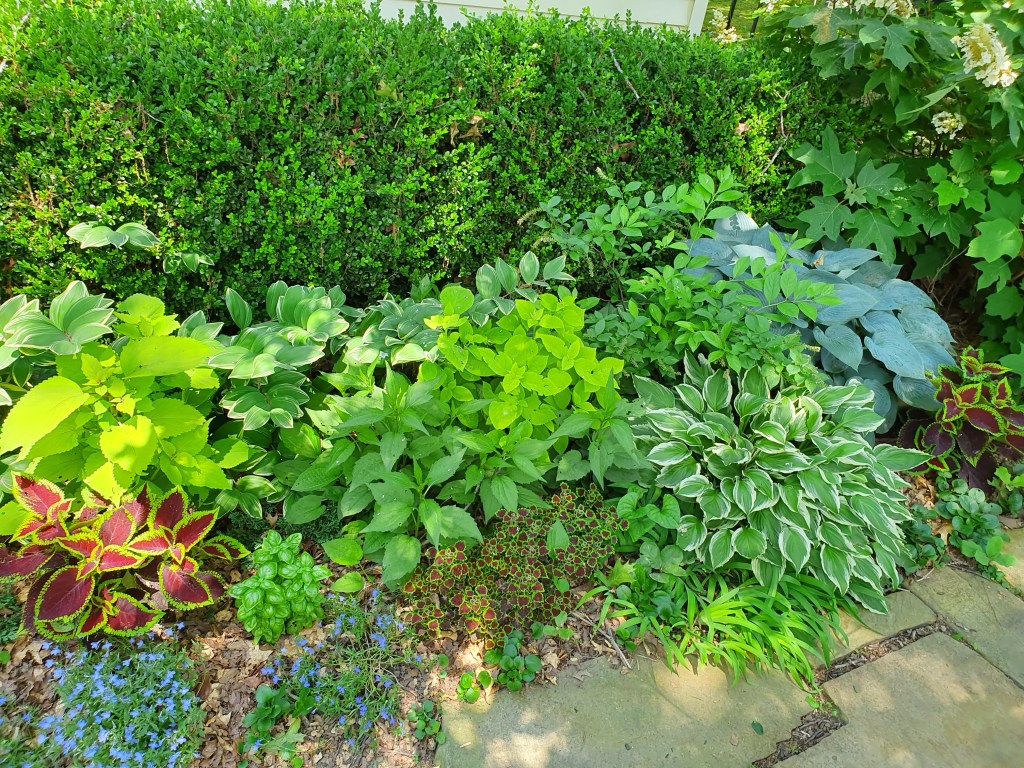
Plantain lilies are renowned for their captivating foliage, which comes in a wide array of shapes, sizes, and colors. The leaves can be heart-shaped, lance-shaped, or oval, and they range from solid green to variegated patterns featuring combinations of green, yellow, white, and blue hues. The texture of the leaves can be smooth, wavy, or corrugated, adding depth and visual interest to the plants. Hosta’s flowers, which bloom on tall stalks in summer, are typically bell-shaped and come in shades of white, lavender, and blue. These delicate blooms provide an additional layer of beauty to these already stunning plants.
Cultivation and Care:
Plantain lilies are favored for their adaptability to shade, making them excellent choices for gardens with limited sunlight. Here are some key tips for cultivating and caring for Plantain lilies:
- Light Requirements: Plantain lilies thrive in partial to full shade. While they can tolerate some morning sun, intense afternoon sunlight may scorch their leaves. Finding the right balance of light is crucial for optimal growth and coloration.
- Soil and Watering: Plantain lilies prefer moist, well-draining soil rich in organic matter. Mulching around the plants helps retain moisture and suppresses weed growth. Water the plants deeply and regularly, especially during dry spells, but avoid overwatering, as it can lead to root rot.
- Division and Propagation: As Plantain lilies mature, they develop clumps that can be divided to create new plants. Dividing the clumps every few years not only helps manage their size but also promotes healthier growth. The best time to divide Plantain lilies is in early spring when new shoots begin to emerge.
- Pest and Disease Management: While Plantain lilies are generally hardy, they can be susceptible to slug and snail damage. Implementing slug control measures, such as using organic slug pellets or creating physical barriers, can help protect the plants. Additionally, monitoring for signs of common diseases like leaf spot and crown rot is essential for early detection and treatment.
Popular Cultivars:
Plantain lilies offer a plethora of cultivars, each with its own unique characteristics and charm. Here are a few well-known cultivars:
- ‘Sum and Substance’: Known for its enormous, chartreuse leaves, this cultivar creates a bold statement in the shade garden.
- ‘June’: With its striking variegated leaves featuring blue-green centers and golden-yellow edges, ‘June’ is a favorite among gardeners.
- ‘Francee’: This cultivar boasts dark green leaves with crisp white margins and produces lovely lavender flowers.
- ‘Patriot’: Notable for its deep green leaves with wide, pure white margins, ‘Patriot’ adds a touch of elegance to any landscape.
Conclusion:
Plantain lilies, or Hosta, area diverse and enchanting group of plants that bring elegance and beauty to shade gardens. With their captivating foliage, ranging from various shapes to stunning color patterns, and their delicate flowers, Plantain lilies offer a wide array of options to suit any gardener’s preferences. Their adaptability to shade and their low-maintenance nature make them a popular choice for both experienced and novice gardeners.
When adding Plantain lilies to your garden, consider their different cultivars to create a harmonious and visually appealing landscape. Whether you prefer the bold statement of ‘Sum and Substance,’ the striking variegation of ‘June,’ the classic beauty of ‘Francee,’ or the elegance of ‘Patriot,’ there is a cultivar to suit every taste.
Cultivating and caring for Plantain lilies is relatively straightforward. Providing them with the right light conditions, well-draining soil, and adequate moisture will contribute to their health and vitality. Regular division of the clumps ensures the plants’ longevity and promotes healthy growth.
While Plantain lilies are generally hardy, it is important to be vigilant for common pests and diseases that can affect them, particularly slugs and snails. Implementing preventive measures and promptly addressing any issues will help maintain the plants’ vigor and beauty.
Beyond their aesthetic appeal, Plantain lilies also offer additional benefits to the garden. Their foliage acts as ground cover, suppressing weed growth and reducing soil erosion. The flowers attract pollinators, adding life and movement to the garden while supporting the local ecosystem.
In conclusion, Plantain lilies, or Hosta, are graceful and versatile plants that bring charm and elegance to shade gardens. With their diverse foliage patterns, stunning flowers, and adaptability to shade, they offer endless possibilities for creating visually appealing landscapes. Whether you choose to cultivate them for their captivating beauty or for their practical benefits, Plantain lilies are sure to enhance the tranquility and allure of your outdoor space. So, embrace these enchanting beauties and let them flourish in the shade garden, bringing a touch of elegance and serenity to your landscape.
 Nature, Science, Art, Music et al
Leave a comment