The Large-Flowered Tickseed, scientifically known as Coreopsis grandiflora, is a stunning perennial flowering plant that adds a vibrant burst of color to gardens and landscapes. With its cheerful, daisy-like flowers and long blooming period, this hardy and easy-to-grow plant has become a favorite among gardeners. In this article, we will explore the captivating world of the Large-Flowered Tickseed, discussing its characteristics, cultivation, and the joy it brings to any garden.
Characteristics and Varieties:
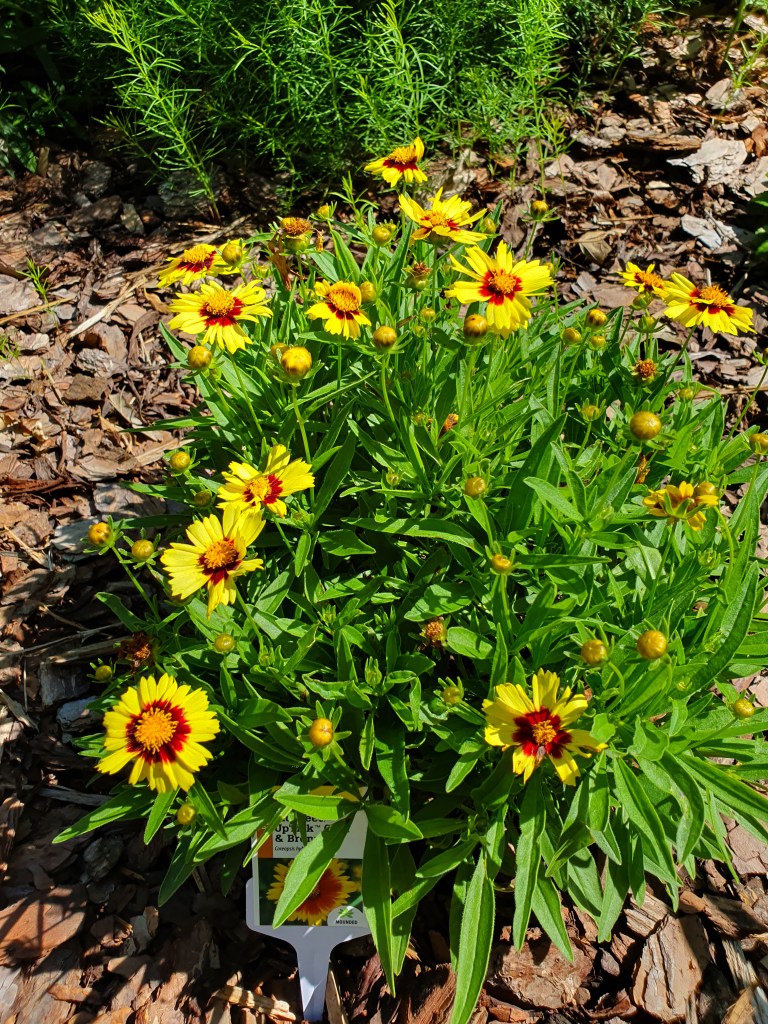
The Large-Flowered Tickseed is characterized by its bright and showy flowers that resemble daisies. The flowers typically have a yellow or golden color, with a prominent central disk surrounded by numerous rays. The foliage consists of fern-like, deep green leaves that provide an attractive backdrop to the abundant blooms. Some popular varieties of Large-Flowered Tickseed include ‘Early Sunrise,’ which blooms earlier in the season, ‘Sunfire,’ with fiery red-orange blooms, and ‘Golden Sphere,’ known for its compact growth habit.
Cultivation and Care:
Large-Flowered Tickseed is a relatively low-maintenance plant that thrives in sunny locations and well-drained soil. It can adapt to a wide range of soil conditions, including poor or rocky soils. Once established, it is quite drought-tolerant, making it an excellent choice for xeriscaping or water-wise gardens. However, regular watering during dry spells can encourage more robust flowering. Deadheading spent flowers promotes continuous blooming and prevents self-seeding. Moreover, dividing the plant every few years helps maintain its vigor and prevent overcrowding.
Cultural Significance:
The Large-Flowered Tickseed holds cultural significance in the world of gardening and horticulture. Its vibrant flowers symbolize joy, happiness, and optimism, making it a popular choice for floral arrangements and bouquets. Additionally, the plant’s long blooming period, which extends from early summer to fall, ensures a constant source of color in the garden, attracting pollinators such as bees and butterflies. It is also deer-resistant, making it a valuable addition to landscapes prone to grazing wildlife.
Furthermore, the Large-Flowered Tickseed is native to North America, particularly the eastern and central regions of the United States. Embracing this native plant in garden design helps support local ecosystems, as it provides a valuable food source and habitat for native pollinators and beneficial insects.
Conclusion:
The Large-Flowered Tickseed, with its vibrant blooms and effortless beauty, has become a cherished addition to gardens worldwide. Its cheerful flowers and long blooming period bring a burst of color and joy to any landscape. Whether planted in borders, rock gardens, or containers, this hardy perennial is sure to attract attention and admiration. With its adaptability, low maintenance requirements, and cultural significance, the Large-Flowered Tickseed remains a popular choice among gardeners of all skill levels. So, if you seek to infuse your garden with a vibrant and enduring display of color, consider embracing the charm of the Large-Flowered Tickseed and let its radiant blooms transform your outdoor space into a haven of natural beauty.
 Nature, Science, Art, Music et al
Leave a comment