Japanese maple, scientifically known as Acer palmatum, is a breathtaking ornamental tree that has captivated gardeners and landscape enthusiasts around the world. With its delicate foliage, graceful structure, and vibrant autumn colors, the Japanese maple stands as a timeless symbol of beauty and tranquility. In this article, we will explore the enchanting world of Japanese maple, delving into its characteristics, cultivation, and the cultural significance it holds.
Characteristics and Varieties:
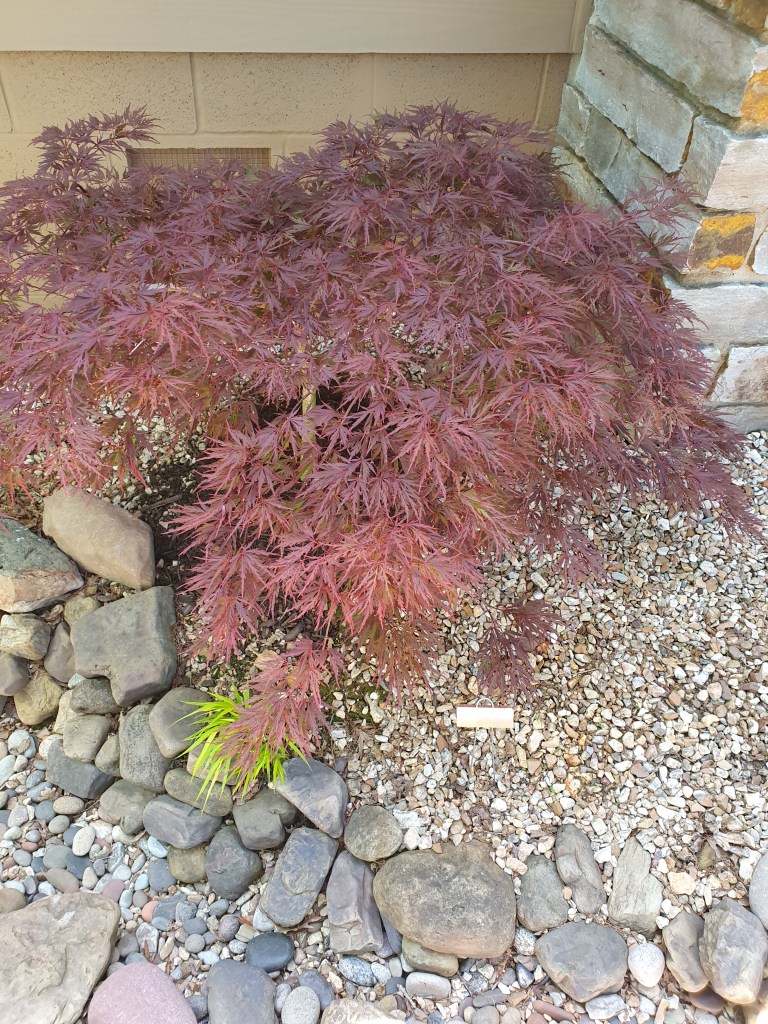
Japanese maple is renowned for its exquisite leaves, which display a wide range of shapes, colors, and textures. The palmate leaves are deeply lobed and can vary from green to red, purple, or even variegated. Some popular varieties include ‘Bloodgood,’ known for its deep red foliage, ‘Dissectum,’ characterized by its finely cut leaves, and ‘Sango Kaku,’ which boasts stunning coral-colored bark. The elegant form of the Japanese maple, with its graceful branches and layered structure, adds a touch of sophistication to any garden or landscape.
Cultivation and Care:
Japanese maple trees thrive in temperate climates and are best suited to areas with mild summers and cool winters. They prefer partial shade, as excessive sun exposure can scorch their delicate leaves. Well-drained soil rich in organic matter is crucial for their healthy growth. Regular watering is essential, especially during dry spells, but care should be taken to avoid waterlogging. Pruning should be done in late winter or early spring to shape the tree and enhance its natural form. Mulching around the base helps retain moisture and suppress weed growth.
Cultural Significance:
Japanese maple holds deep cultural significance in Japanese gardening and aesthetics. Revered for its graceful presence, it is often associated with tranquility and harmony. In Japanese garden design, the Japanese maple is frequently used as a focal point or to create a sense of balance and serenity. Its vibrant autumn foliage is particularly appreciated in the art of bonsai, where miniature Japanese maple trees are meticulously shaped and cared for, embodying the beauty of nature in a compact form.
Beyond its horticultural importance, Japanese maple has also found its way into various art forms, including paintings, poetry, and literature. Its delicate leaves and ever-changing colors have inspired artists and writers to capture the ephemeral beauty of the changing seasons and the transient nature of life.
Conclusion:
Japanese maple, with its timeless elegance and captivating beauty, continues to be cherished by gardeners and nature enthusiasts worldwide. From its delicate leaves and graceful form to its vibrant autumn colors, this ornamental tree brings a touch of serenity and sophistication to any landscape. Whether adorning a Japanese garden, a suburban backyard, or a public park, the Japanese maple enchants with its tranquil presence and serves as a reminder of the fleeting nature of beauty. So, if you seek to add a touch of elegance and tranquility to your garden, consider embracing the allure of the Japanese maple and let its timeless grace transform your outdoor space into a sanctuary of natural beauty.
 Nature, Science, Art, Music et al
Leave a comment