Ipomoea, commonly known as morning glories, is a diverse and captivating genus of flowering plants that belongs to the family Convolvulaceae. With over 500 known species, Ipomoea plants are renowned for their vibrant and enchanting blooms that emerge in the morning and close during the afternoon. From their historical significance to their wide range of uses, Ipomoea plants have captured the fascination of gardeners, botanists, and nature enthusiasts around the world. In this article, we will delve into the various aspects of Ipomoea, exploring their characteristics, cultivation, and cultural significance.
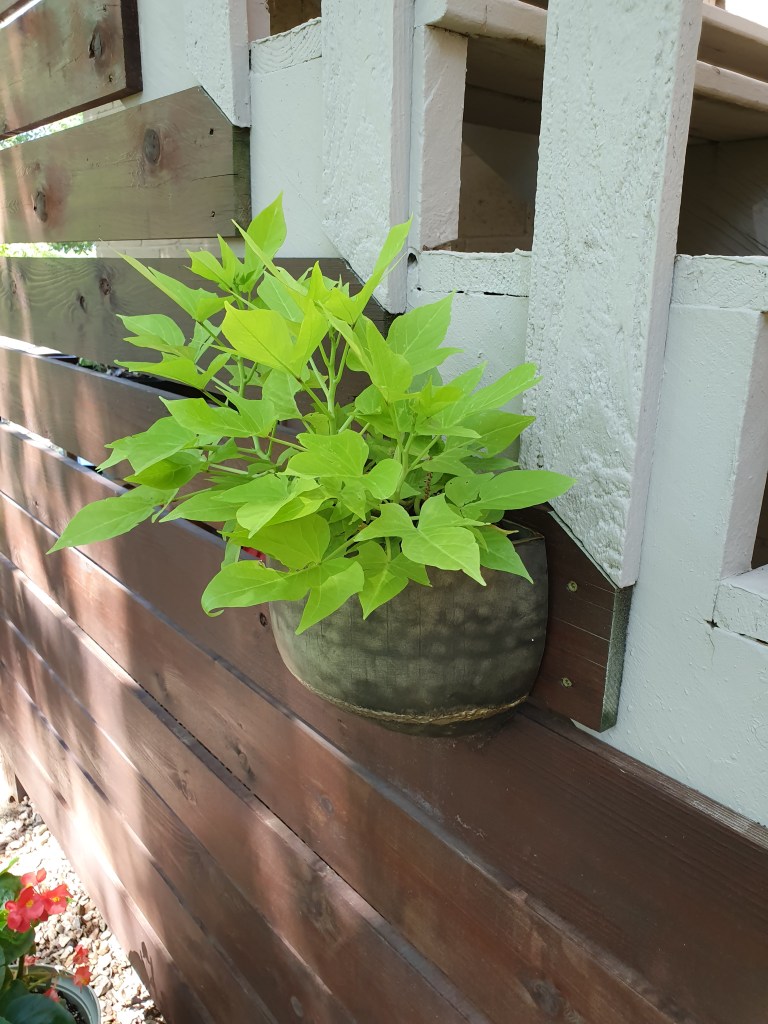
Characteristics and Varieties:
Ipomoea plants exhibit a wide array of growth habits, leaf shapes, and flower colors. Most species are annual or perennial vines, but some can be shrubs or herbaceous plants. Their heart-shaped leaves are usually dark green or variegated, adding visual interest to the garden even when not in bloom. The flowers are the highlight of morning glories, showcasing a spectrum of colors ranging from vibrant blues and purples to pale pinks and whites. Some popular Ipomoea varieties include the Heavenly Blue, Grandpa Ott’s, Scarlett O’Hara, and Moonflower, each possessing its unique allure.
Cultivation and Care:
Ipomoea plants are relatively easy to grow, making them a favorite among gardeners of all levels of experience. They thrive in full sun and well-drained soil, though they can adapt to various conditions. Morning glories are best sown directly in the garden after the last frost, as they do not transplant well due to their long taproots. Soaking the seeds overnight or nicking the hard coating can aid in germination. Regular watering is crucial during dry spells, and a trellis or support structure is recommended to guide their climbing nature.
Cultural Significance:
Ipomoea plants hold cultural significance in many parts of the world. In some Asian cultures, they symbolize love, affection, and longing. In the Victorian language of flowers, morning glories represent love in vain, suggesting the fleeting nature of affection. Additionally, the seeds of certain Ipomoea species, such as Ipomoea tricolor, have been used for centuries by indigenous tribes in Mexico and Central America for their psychoactive properties in religious and shamanic rituals.
Beyond their symbolic and cultural importance, morning glories are also valued for their medicinal properties. Several Ipomoea species have been used in traditional medicine to treat ailments such as constipation, headaches, and inflammation. However, it is essential to note that the medicinal use of these plants should be approached with caution and under the guidance of trained professionals.
Conclusion:
Ipomoea, or morning glories, with their captivating blooms and diverse characteristics, have enchanted gardeners and nature lovers for centuries. From their versatility in garden design to their cultural and medicinal significance, these enchanting plants continue to inspire and captivate. Whether adorning trellises, fences, or gardens, Ipomoea adds a touch of natural beauty to any landscape. So, whether you are an avid gardener or simply appreciate the wonders of the natural world, consider embracing the allure of Ipomoea and bringing the beauty of morning glories into your life.
 Nature, Science, Art, Music et al
Leave a comment