Indian blanket, scientifically known as Gaillardia pulchella, is a vibrant and captivating wildflower native to North America. With its striking combination of red, yellow, and orange petals, Indian blanket has earned its place as a beloved symbol of the prairies and meadows. In this article, we will explore the enchanting qualities and ecological significance of this beautiful native wildflower.
Appearance and Characteristics
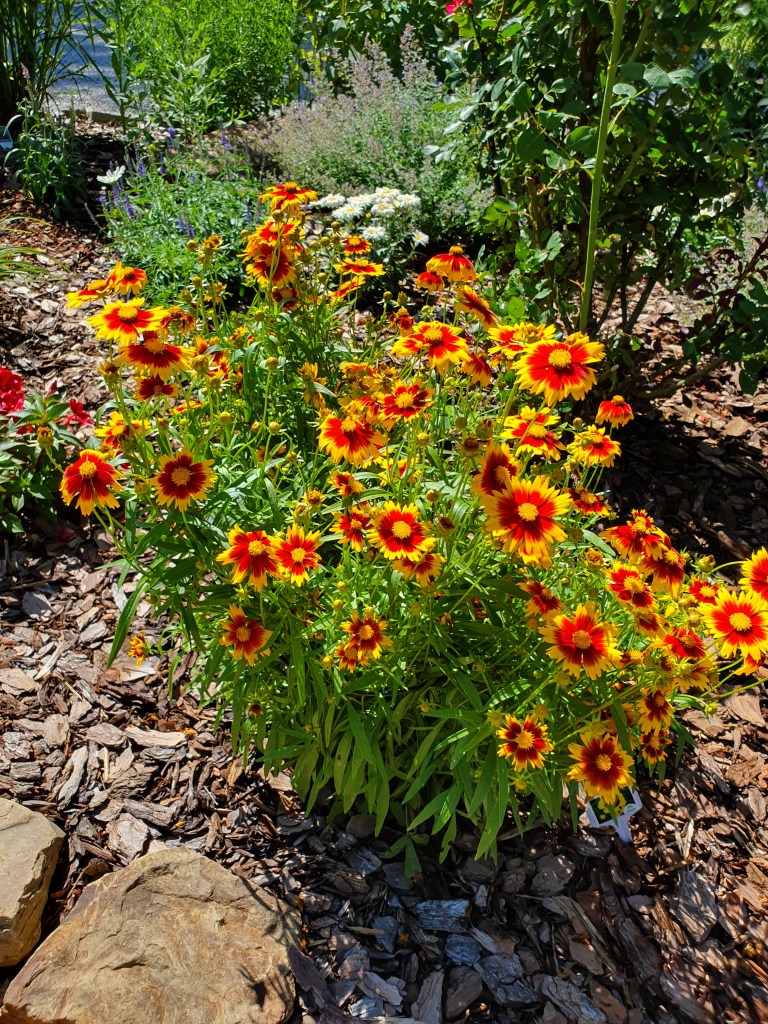
Indian blanket is characterized by its eye-catching flowers, which resemble the colorful patterns found on traditional Native American blankets. The daisy-like blooms consist of deep red or maroon petals with vibrant yellow tips, creating a radiant display of color. The flowers are often accented by a central disc of dark brown or maroon. Indian blanket typically grows up to 1 to 2 feet tall and features lance-shaped leaves that form a basal rosette. This hardy wildflower blooms from late spring to early fall, attracting a variety of pollinators, including bees, butterflies, and hummingbirds.
Ecological Significance
Indian blanket plays a crucial role in supporting local ecosystems. Its nectar-rich flowers serve as valuable food sources for pollinators, aiding in the reproduction of numerous plant species. The bright colors of Indian blanket also make it easily visible to pollinators, enhancing its effectiveness as a wildlife attractant. Furthermore, the plant’s seeds provide a food source for birds and small mammals. Indian blanket’s ability to thrive in open prairies and disturbed areas contributes to the overall biodiversity and resilience of native landscapes.
Cultivation and Care
Indian blanket is a low-maintenance wildflower that is relatively easy to cultivate. It prefers full sun and well-drained soil but can tolerate a variety of soil types, including sandy or clay soil. Indian blanket is adapted to dry conditions and is relatively drought-tolerant once established. It is best to sow the seeds directly in the garden in early spring or late fall. The seeds require light for germination, so they should be gently pressed into the soil surface. Regular watering during the establishment phase is necessary, but once the plants are established, they generally thrive with minimal additional watering.
To promote continuous blooming and prevent self-seeding, deadheading spent flowers is recommended. However, allowing some flowers to mature and produce seeds can contribute to the natural reseeding of Indian blanket in the garden or nearby areas.
Uses and Cultural Significance
Indian blanket holds cultural significance among Native American tribes. The plant’s vibrant colors and striking appearance have been incorporated into traditional arts and crafts, including beadwork and textile designs. Indian blanket is also valued as a natural dye plant, with its petals producing vibrant red and orange hues. In addition to its cultural significance, Indian blanket is a popular choice for wildflower meadows, prairie restorations, and naturalistic landscapes, adding a splash of color and attracting wildlife.
Conclusion
Indian blanket, with its radiant colors and ecological significance, is a beautiful native wildflower that adds vibrancy and natural charm to landscapes. Its ability to attract pollinators and support local ecosystems makes it a valuable addition to gardens, while its cultural significance further enhances its appeal. Embrace the beauty of Indian blanket and invite its colorful presence into your outdoor spaces.
 Nature, Science, Art, Music et al
Leave a comment