Feather reed grass, scientifically known as Calamagrostis x acutiflora, is a popular ornamental grass that has gained tremendous popularity among garden enthusiasts. With its elegant appearance, versatility, and low maintenance requirements, it has become a staple in many landscapes and gardens. In this article, we will explore the characteristics, cultivation tips, and the various uses of feather reed grass.
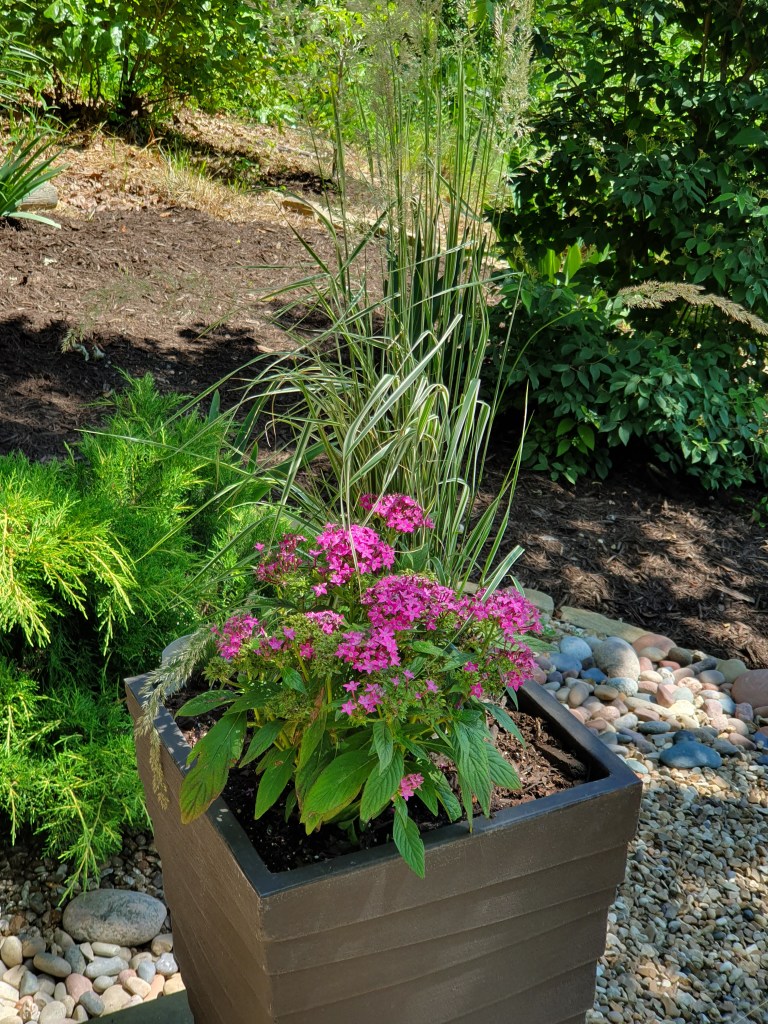
Characteristics of Feather Reed Grass:
Feather reed grass is a clump-forming perennial grass that typically reaches a height of 3 to 5 feet (90 to 150 cm) and a spread of 2 to 3 feet (60 to 90 cm). It features slender, upright stems with arching foliage and feathery flower plumes that emerge in early summer. The plumes start off as green or purple and gradually turn into a graceful wheat-colored hue as they mature, adding visual interest to the landscape.
Cultivation Tips:
Feather reed grass is known for its adaptability and ability to thrive in a variety of growing conditions. It prefers full sun to partial shade and well-drained soil. However, it can tolerate a wide range of soil types, including clay and sandy soils. Once established, it has good drought tolerance, making it suitable for gardens with inconsistent watering schedules.
To cultivate feather reed grass, start by preparing the planting area by loosening the soil and removing any weeds or grass. Dig a hole that is slightly wider and deeper than the root ball of the plant. Place the feather reed grass in the hole, making sure the crown is level with the soil surface. Backfill the hole with soil, tamp it down gently, and water thoroughly to settle the soil.
Maintenance:
One of the appealing aspects of feather reed grass is its low maintenance requirements. Once established, it is relatively drought-tolerant and requires minimal watering. However, regular watering during the initial stages of growth will help the plant establish a strong root system.
Feather reed grass benefits from an annual application of balanced slow-release fertilizer in early spring. This will provide the necessary nutrients for healthy growth and abundant flowering. Additionally, it is advisable to cut back the foliage to the ground in late winter or early spring before new growth emerges. This promotes fresh growth and prevents the plant from becoming too woody.
Uses in the Landscape:
Feather reed grass is prized for its architectural beauty and its ability to add texture and movement to the landscape. It is often used as a focal point in mixed borders, where its tall, slender form creates a striking contrast against lower-growing plants. It can also be mass-planted to create a stunning visual impact or used as a backdrop for other flowering perennials.
Furthermore, feather reed grass is an excellent choice for creating privacy screens or windbreaks. When planted in groups, it forms dense clumps that provide coverage and act as a natural barrier. Its sturdy stems and foliage also make it a suitable option for cut flower arrangements, adding a touch of elegance to indoor floral displays.
In conclusion, feather reed grass is a versatile and attractive addition to any garden or landscape. Whether you are looking for a focal point, a privacy screen, or a low-maintenance plant, this ornamental grass fits the bill. With its graceful plumes, adaptability, and easy cultivation, feather reed grass is sure to enhance the beauty and functionality of your outdoor space.
Beyond its aesthetic appeal, feather reed grass also offers ecological benefits. Its dense clumps provide habitat and shelter for birds and small animals. The plumes and seeds of the grass attract birds, adding an element of wildlife to your garden. Additionally, the deep root system of feather reed grass helps with soil erosion control and improves water infiltration, making it an environmentally-friendly choice.
When incorporating feather reed grass into your landscape design, consider its height and growth habit. Its tall, upright form makes it an excellent choice for creating vertical interest and adding structure to your garden. Plant it in the back or middle of a border to create a backdrop for shorter plants, or use it to soften the lines of hardscapes and architectural features.
In terms of companion planting, feather reed grass pairs well with a wide range of perennials and shrubs. Its neutral color palette allows it to blend harmoniously with various flower colors and textures. Consider combining it with vibrant flowers like purple coneflowers (Echinacea), black-eyed Susans (Rudbeckia), or Russian sage (Perovskia) for a stunning contrast.
As the seasons change, feather reed grass continues to offer interest in your garden. In the winter, the dried plumes and foliage create an attractive feature, especially when covered in frost or snow. Leave the plant standing throughout the winter months to provide structure and visual appeal to your landscape.
When it comes to dividing feather reed grass, it is best done in early spring or fall. Over time, the clumps may become overcrowded, affecting the overall health and vigor of the grass. Dividing the clumps every few years not only rejuvenates the plant but also allows you to propagate and expand your feather reed grass collection.
In conclusion, feather reed grass is a versatile and stunning ornamental grass that brings beauty, texture, and functionality to your garden. Its elegant form, low maintenance requirements, and adaptability make it a popular choice among gardeners. Whether used as a focal point, privacy screen, or for its ecological benefits, feather reed grass is sure to enhance the overall aesthetics and enjoyment of your outdoor space. So, consider adding this graceful grass to your landscape and enjoy the beauty it brings throughout the seasons.
 Nature, Science, Art, Music et al
Leave a comment